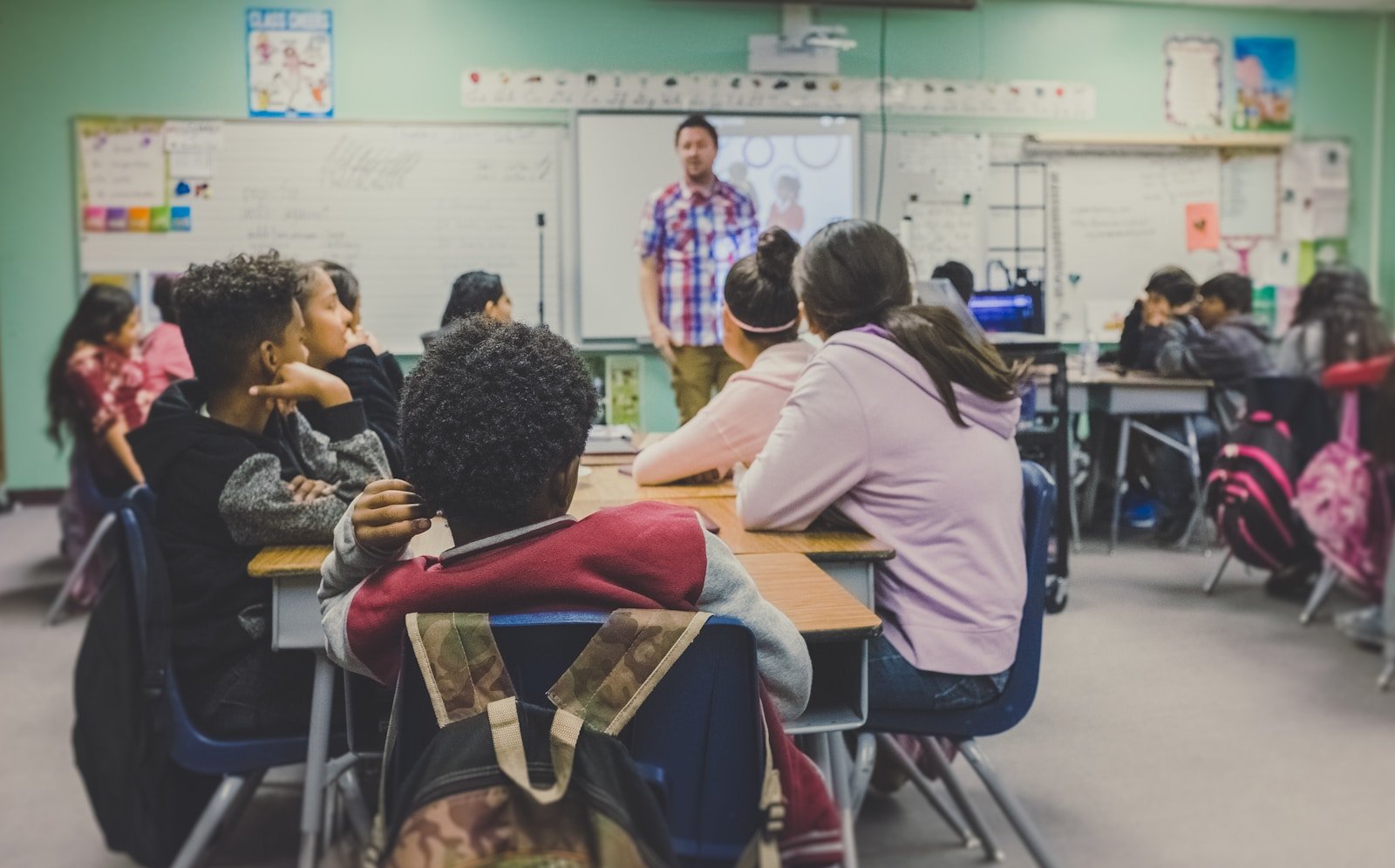
Why NYC Is Applying the Brakes
New York City is restricting student-facing generative AI because officials believe younger learners need more human interaction, hands-on practice, independent thinking, and stronger privacy protections before unproven tools become routine. The one-year moratorium gives the school system time to evaluate technology while high schools test limited, supervised uses.
A Policy About Learning, Not Just Technology
For 2026–27, NYC Public Schools has prohibited student-facing generative AI in grades 2-K through 8. High schools instead receive two AI-literacy modules and access to selected pilots. Companion chatbots are prohibited across every grade. The younger-grade moratorium affects nearly 600,000 students and creates a one-year evaluation period before future recommendations.
Reason 1: Children Need to Do the Thinking
Generative AI can produce polished work in seconds, hiding whether a student formed the idea, understood the concept, noticed an error, or accepted a plausible response. Reading, writing, estimating, comparing sources, sketching ideas, and revising weak attempts all develop judgment. NYC wants evidence that AI supports these activities rather than substituting for them.
Reason 2: Human Connection Is Developmentally Important
Children learn through conversation, cooperation, encouragement, and teachers who recognize confusion. A chatbot may imitate support but carries no professional responsibility for a child. NYC’s ban on companion bots across all grades draws a firm boundary around products designed to simulate relationships.
Reasons 3 and 4: Evidence and Privacy
Generative products change quickly, making long-term evaluation difficult. NYC wants evidence that a tool improves learning, works for different students, limits bias, and does not encourage dependency before broad adoption. Privacy is equally important: a prompt may reveal writing samples, learning difficulties, family details, images, voice, or education records. School products must pass the district’s data-privacy and security review, and vendors must explain what they collect and protect.
The moratorium shifts the burden of proof. Rather than placing tools in front of young children first, the district is pausing broad use while controlled high-school pilots gather information.
The Reasons in One View
- Protect independent thinking and productive struggle.
- Preserve teacher, peer, and family relationships.
- Demand evidence before widespread adoption.
- Strengthen privacy and vendor accountability.
- Reduce inaccurate or biased outputs and unnecessary screen time.
Why High Schools Are Treated Differently
Older students are closer to college and employment, where AI may be common. NYC therefore allows five approved, supervised pilots and career-readiness uses. Students remain the primary thinkers, teachers set the task, and tools pass central review. Every high-school student will also complete two AI-literacy modules covering how AI works, bias, privacy, ethics, school use, and careers.
Accessibility and Teacher Responsibilities
The policy limits unnecessary technology, not necessary access. Assistive technology required by an IEP or 504 Plan remains available, and multilingual learners and students with disabilities can keep approved supports. Teachers may use approved AI for planning and operations, but remain responsible for accuracy and professional judgment. AI may not make decisions about grading, behavior, placement, promotion, graduation, counseling, or special education.
What Parents Should Ask Now
Ask which AI-enabled tools your child will encounter, whether the child interacts directly, what learning problem each tool solves, what information is collected, and what approval or exception applies. For homework, ask teachers to define permitted assistance. At home, use a simple principle: think first, use a tool for a defined purpose, and verify afterward. Never enter a child’s private data or confidential documents into a public chatbot.
What This Decision Says About Childhood
NYC’s policy makes a broader claim: efficiency is not the only measure of education. Children need slow, social, physical, and personally meaningful experiences. A rough sketch, debated interpretation, handwritten draft, or corrected mistake may look less efficient than generated output, yet those moments build capability. Technology can extend this process later; it should not erase it before it forms.
Frequently Asked Questions
Is every kind of AI banned?
No. The restriction targets student-facing generative AI in grades 2-K–8. Approved accessibility tools remain available; high schools have limited supervised uses.
Can teachers use AI?
Teachers can use approved tools for planning and operations, but cannot delegate grading, behavior monitoring, therapy, or major student decisions to AI.
Official Sources
- NYC Public Schools: Guidance on Artificial Intelligence and Screen Time
- NYC Mayor’s Office: Generative AI moratorium announcement
- NYC Public Schools: Full AI guidance
This article summarizes official information available September 3, 2026. Policies may change.
Build the Human Skills Technology Cannot Replace
Chitran’s live online drawing classes help children strengthen observation, patience, creativity, and independent decision-making with real teacher guidance.
Book a Free Demo Read the Parent Guide